Tactile Compensation Theory: Why Your Brain Craves Squeezing When Bored or Anxious
- Share
- publisher
- Chloe
- Issue Time
- Jul 22,2026
Summary
Mindless habits like nail biting and pen chewing stem from tactile compensation needs. Our silent squishy toys offer healthy tactile stimulation to ease boredom and anxiety, replacing bad restless fidget behaviors politely in offices and classrooms.
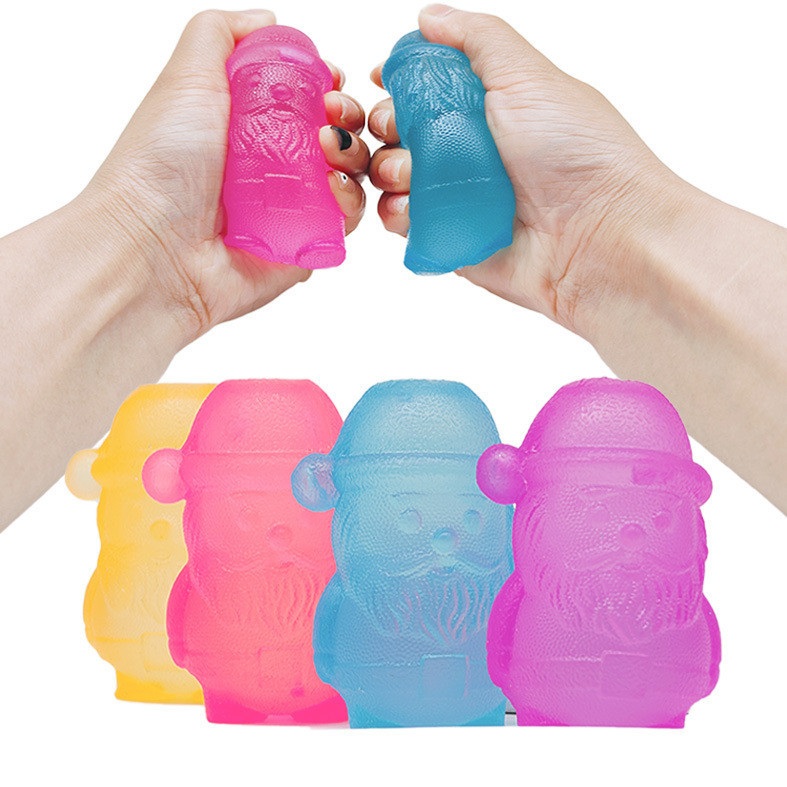
Tactile Compensation Theory: Why Your Brain Craves Squeezing When Bored or Anxious
Mindless fidgeting when bored or nervous is not a bad habit — it is a natural emotional compensation instinct. Squishy toys replace unhealthy habits like nail biting, pen chewing, leg shaking, and paper tearing with harmless tactile relief.
Most unconscious repetitive movements are hidden emotional releases: biting pens during class or work, picking at nails when nervous, shaking legs anxiously, or tearing paper when bored. These habits appear trivial, but they reveal your brain’s urgent need for tactile stimulation to relieve emptiness and tension.
However, these common fidget habits cause real troubles: poor hygiene, bleeding nail wounds, disturbing others, and messy desks. Many people try to stop them but fail, simply because no proper substitute is provided for their tactile needs.

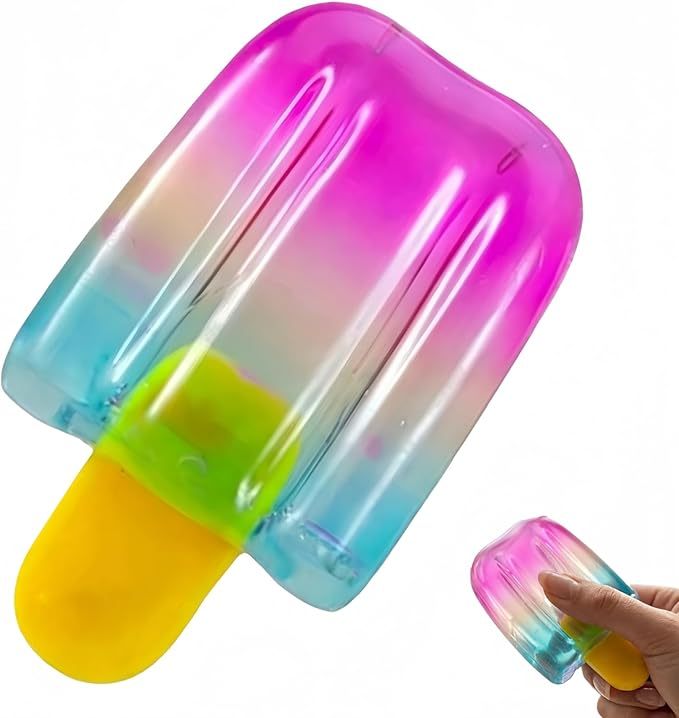

Squishies serve as the healthiest and most elegant tactile compensation tool. Whenever you feel empty, restless, or bored, gentle squeezing perfectly fulfills your brain’s tactile craving and calms inner tension naturally.
Our squishies feature skin-friendly texture and therapeutic slow rebound. Silent, clean, and non-intrusive, they are suitable for offices, classrooms, libraries, and homes. They help you quit bad fidget habits and release anxiety in a gentle, controlled way.
The best stress relief is not indulging negative emotions, but replacing unconscious restlessness with healthy sensory comfort. A tiny squishy is your most decent emotional outlet in daily life.