The 8-Second Rule: Sourcing Slow-Rise Squishies That Pass QC
- Share
- publisher
- PlayGoro
- Issue Time
- Oct 15,2026
Summary
A Yiwu factory breaks down why 6-10 second return time beats every other squishy spec, and gives buyers a stopwatch test for their next PO.
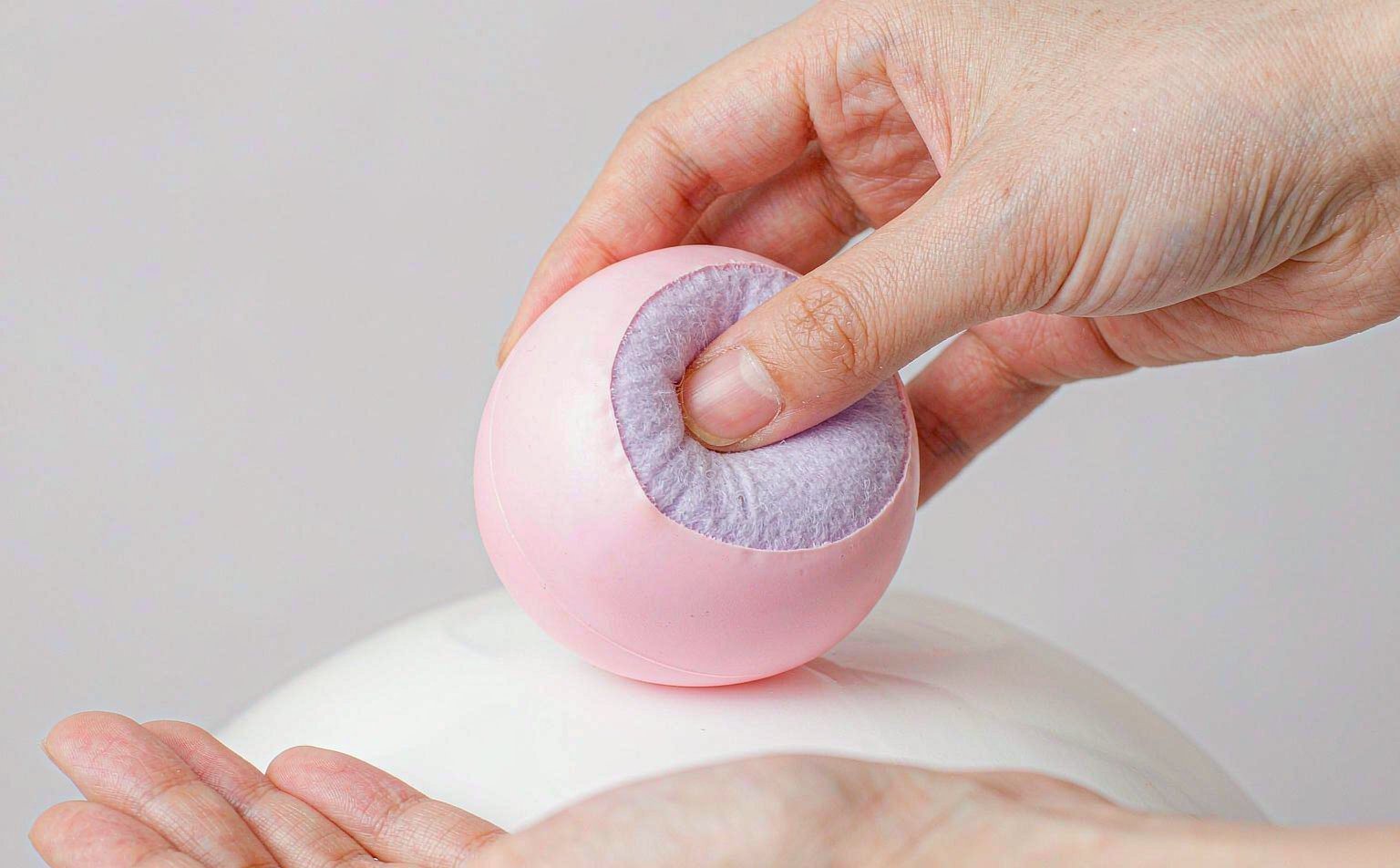
Quick answer: what is a good squishy return time?
A quality slow-rise squishy takes roughly 6 to 10 seconds to return to its original shape after a firm squeeze. Anything that snaps back in under 3 seconds usually means a thin skin or a low-density fill that will not survive shelf life or repeated handling. Return-to-shape time is the one squishy spec you can actually measure on the factory floor, which is why we treat it as a QC number, not a marketing line.
Most squishy specs on a quotation sheet are noise. "Super soft." "Premium feel." "Kawaii design." None of them tell you whether the toy will still feel right in month six, or whether it will survive a container ride and a shelf stacked three high.
There is one number that does: return-to-shape time. In our Yiwu workshop we call it the 8-second rule. It is the gap between a squishy that is built to last and one that is built to photograph.
Why slow rise became the spec buyers actually trust
The decompression-toy category is not small anymore. The global stress-toy market reached USD 5.88 billion in 2025 and is forecast at USD 6.26 billion for 2026, heading toward USD 7.95 billion by 2030 (The Business Research Company, Stress Toy Market Report 2026). Squishy toys are a defined slice of that, about 21.7 percent, or roughly USD 0.45 billion in 2025, growing near 7.9 percent a year (Dataintelo, Portable Decompression Toy Market).
Demand is real, but so is the noise. When a category grows this fast, factories race to hit a price point, and the first thing that gets quietly cut is the thing you cannot see in a product photo: how the toy behaves after the hundredth squeeze. That is exactly where return time lives.
A squishy is a tactile desk toy, not a clinical tool. We are not in the business of claiming it treats anything. What we can say is that buyers, from retailers and brand owners to HR teams buying wellness merch, keep coming back for a toy that feels consistent, and consistency is an engineering problem, not a vibe.
The 8-second rule, explained on the factory floor
A slow-rise squishy is two parts working together:
- A toy-grade TPR skin. TPR (thermoplastic rubber) gives the squishy its soft-touch surface and its sealed shell. We run toy-grade TPR, not industrial grades, because the toy lives in hands all day. We keep our material and safety story deliberately simple; our products carry standard international toy certifications, and the details sit on our certificates page.
- A filled core. The slow return comes from what sits inside the skin, typically a flour-based or maltose-fluid filling that resists fast rebound. A thin skin plus a watery fill returns in a blink and dies in weeks.
Here is the part most buyers miss: return time is the fingerprint of that combination. Roughly:
- Under 3 seconds — thin skin, low-density or liquid fill. Photographs well, fails fast.
- 3 to 5 seconds — borderline. Often a cost-cutting compromise.
- 6 to 10 seconds — the slow-rise band we build to. Stable skin, proper fill, consistent feel.
- Over 12 seconds — can feel dead or under-filled; usually a spec mistake, not a feature.
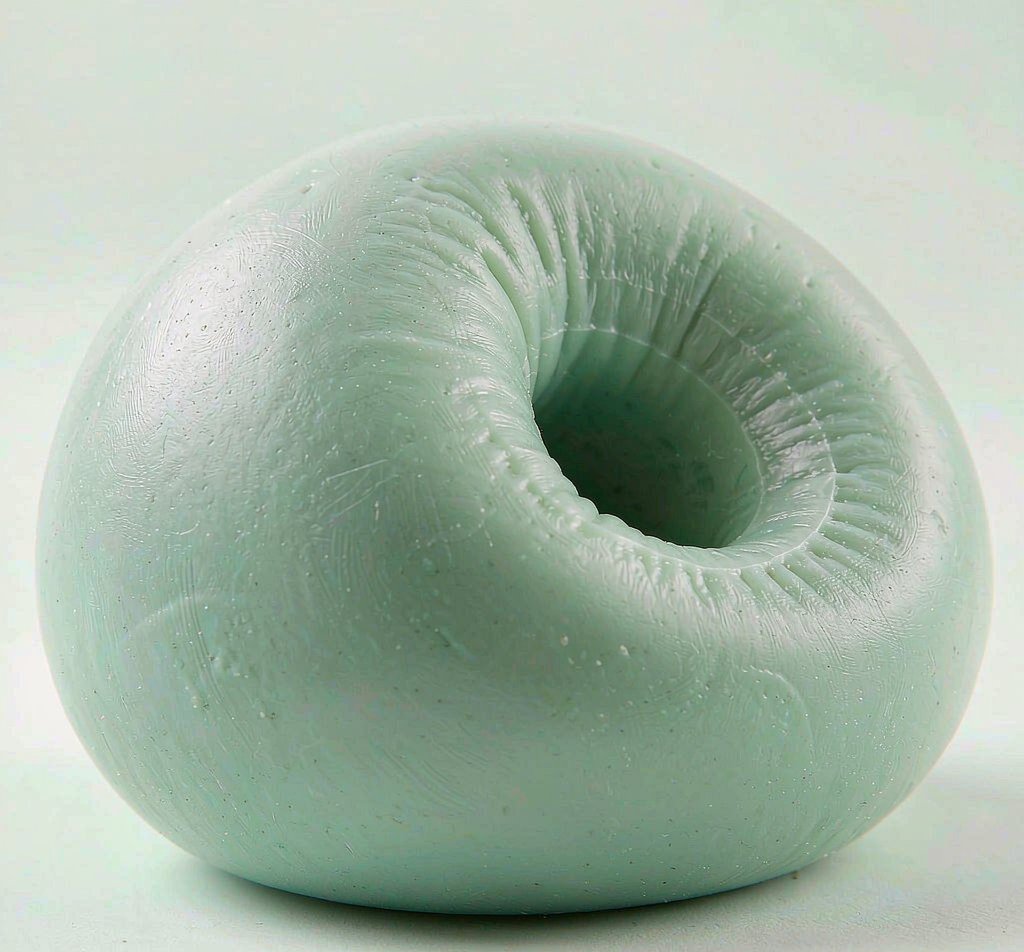
How to write return time into your QC checklist
You do not need a lab. You need a stopwatch and a standard squeeze. Seven checkpoints we put on every squishy PO:
- Define the band, not a single number. Write "return time 6-10s at 25C" into the spec. A range survives humidity and batch variation; a single number invites arguments.
- Squeeze from the same spot. Finger-press the center with consistent force. Return time changes with where and how hard you press.
- Test before and after heat aging. A toy that returns in 8 seconds fresh but 3 seconds after a 48-hour 45C bake is a filling problem, not a squishy.
- Check the skin, not just the bounce. Slow rise means nothing if the TPR skin cracks at the seam. Pull-test the weld on a sample from every carton.
- Keep a golden sample. Lock one approved unit as the reference. Every incoming batch gets timed against it.
- Count the ones that fail the feel test. If more than a small percentage feel off even when they pass the clock, your fill ratio is drifting: fix the process, not the stopwatch.
- Photograph the dent. A mid-return photo is the cheapest evidence you have a real slow-rise, not a fast-return with soft marketing.
MOQ, lead time, and what slow-rise actually costs you
Slow rise is not free. The proper fill and a stable TPR skin add material and a slightly longer molding cycle. What you get back is lower returns and a toy that still feels right at the far end of the supply chain.
- Typical MOQ: from 500-1,000 units for a standard shape; lower for repeat runs.
- Sampling: 3D-printed prototype first, then a pre-production batch you can time yourself.
- Lead time: roughly 15-25 days after sample approval for standard items; more for new molds.
- Unit impact: a true slow-rise squishy usually lands a notch above a fast-return commodity unit, and stays there.
See how we build it on the slow-rise squishy manufacturer capability page, or start a custom squishy OEM conversation.

Red flags when a supplier "does slow rise"
- They cannot show you a timed return on video. If the bounce is real, it is easy to record.
- The number changes between the sample and the PO. A real slow-rise is repeatable; a faked one is not.
- "Food-grade" TPR. Walk away. TPR for toys is toy-grade. Anyone calling it food-grade is either confused or dodging the actual safety conversation, and our take on that habit is its own post. See our squishy sourcing-risk notes.
- No golden sample, no heat-aging test, no seam pull-test on the quote. Those three are the difference between a spec and a hope.
FAQ
Does a longer return time mean a better squishy?
Not past a point. Over roughly 12 seconds usually signals under-fill or a dead feel. The goal is the 6-10 second band, not the biggest number.
Can I get slow rise in any shape?
Mostly. Simple to medium 3D shapes take to slow-rise well. Ultra-high-detail or realistic character molds are a different craft, and we are honest about where our workshop shines. Browse the TPR squishy lineup for what we run.
Why does my cheap squishy lose its bounce in a month?
Usually the fill. A low-density or liquid fill collapses under repeated squeeze and heat. Slow rise done right uses a stable filling that holds.
Is slow rise the same as memory foam?
No. Memory foam is a solid foam that relaxes under heat. A squishy is a sealed TPR skin around a filling. Different build, different feel, different failure modes.
Do squishies help with stress or anxiety?
They are sensory desk toys, not medical devices, and we do not make clinical claims. The category's growth tracks broader wellness trends: CDC notes about 12 percent of US adults report frequent anxiety, and APA found 43 percent felt more anxious in 2024 than the year before. A squishy is a tactile object, not a treatment.
Next step
If return time is going on your next PO, send us the shape and the band you want, and we will 3D-print a prototype you can time yourself. Start a custom squishy OEM conversation or browse our TPR squishy lineup. If you are still weighing suppliers, our squishy sourcing-risk guide and the squishy smell problem post are the fastest ten minutes you will spend before signing.