The Squishy Category Grew Up. Your Buying Spec Didn't.
- Share
- publisher
- Chloe
- Issue Time
- Oct 12,2026
Summary
We build squishies in Yiwu, and the shift is in the order book, not just the data. Circana reports triple-digit growth in US squishy toys in both dollars and units, with adults driving 35% of industry growth. The market split into commodity and collectible. Here is what we see from the factory floor.
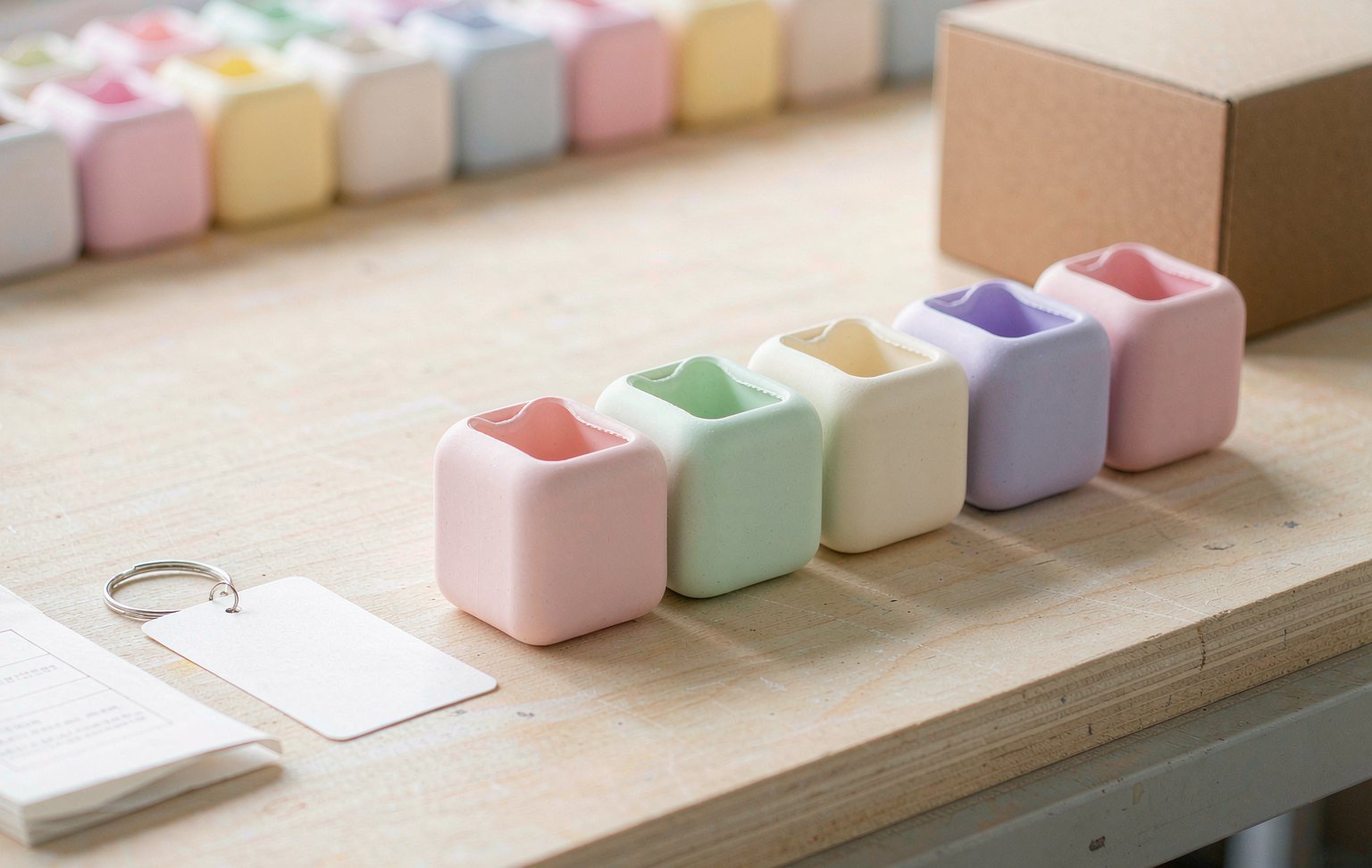
The short version: We build squishies in Yiwu, and from where we sit the change in this market is not a trend — it is a shift in the order book. Quotes used to be about weight and unit price. Now they are increasingly about characters, series and blind boxes. The category grew up. Buyers who are still specifying the old way are not being careful, they are being left behind.
What We See From the Factory Floor
We have been pressing soft-fill and TPR squishies for long enough to remember when a buyer's spec was three lines long: weight, shape, price. That is not what lands in our inbox any more.
The change started with the questions. Buyers now ask about surface finish, about whether the rebound reads cleanly on camera, about whether we can hold a size consistent across a six-piece series, about what documentation we can put on paper. Those are collectible-market questions. A buyer sourcing commodity balls does not ask them.
Circana's US data confirms what the order book already told us. Toys accelerated to +13% in dollars while most discretionary categories softened. Inside the fastest-growing segment — explorative and other toys, up 36%, led by MLB licensing and NeeDoh — squishy toys delivered triple-digit growth in both dollars and units. Not one or the other. Both. That combination does not happen in a novelty category.
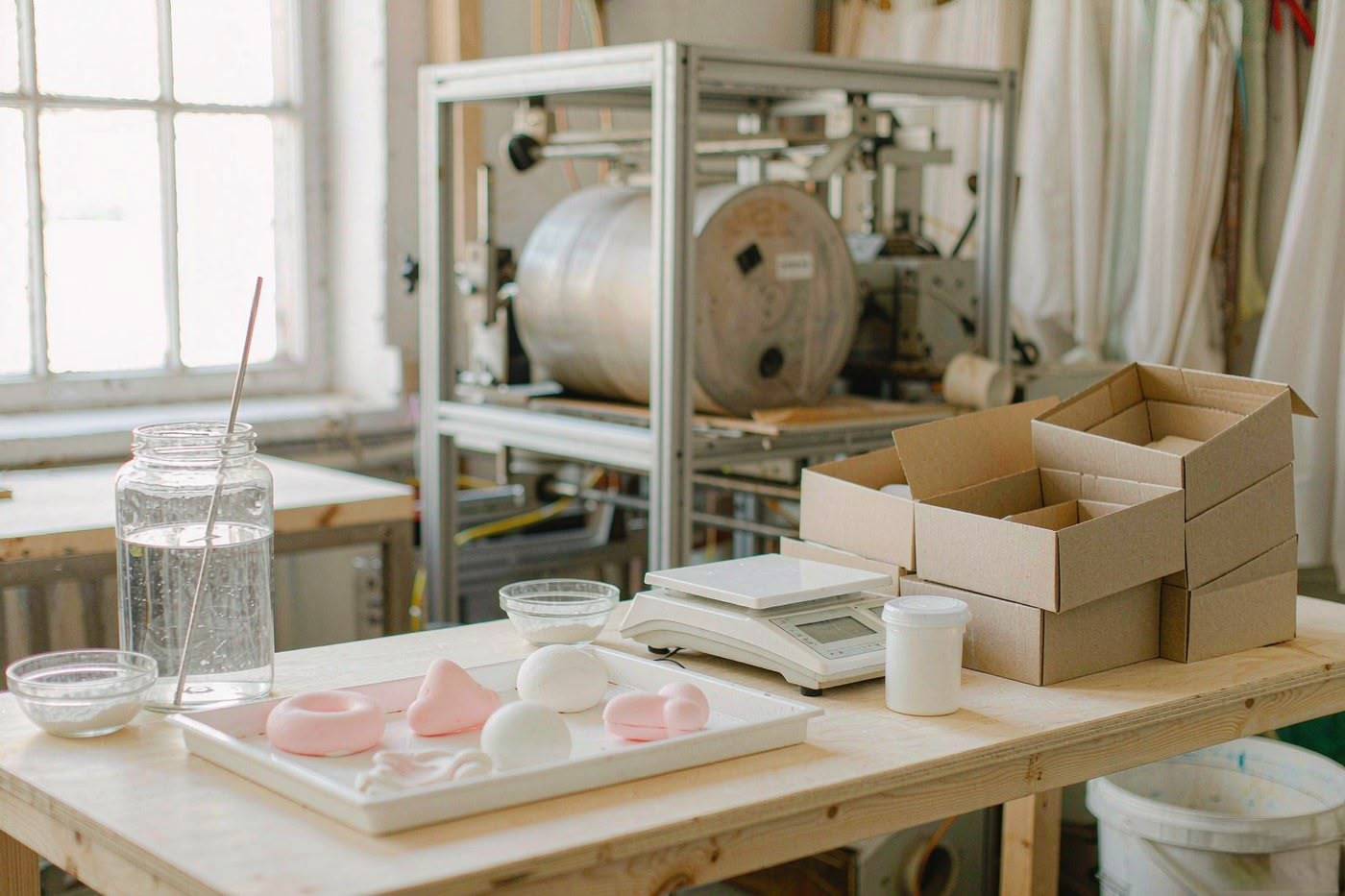
And the buyer has changed with it. Consumers aged 18 and over accounted for 35% of total industry growth. More than half of all growth came from female recipients. The market is visibly shifting into mid-tier and premium price bands while entry-level points come under pressure. Fads are teenage-led and single-price-point. This is adult-led and spread across tiers. It behaves like a category.
The Market Split in Two, and We Build for One Half
There is a clean line running through every quote request we receive now. On one side: unbranded, undifferentiated, competing on ten cents of unit cost. On the other: licensed characters, blind-box formats, limited drops, and customers who argue about variants online.
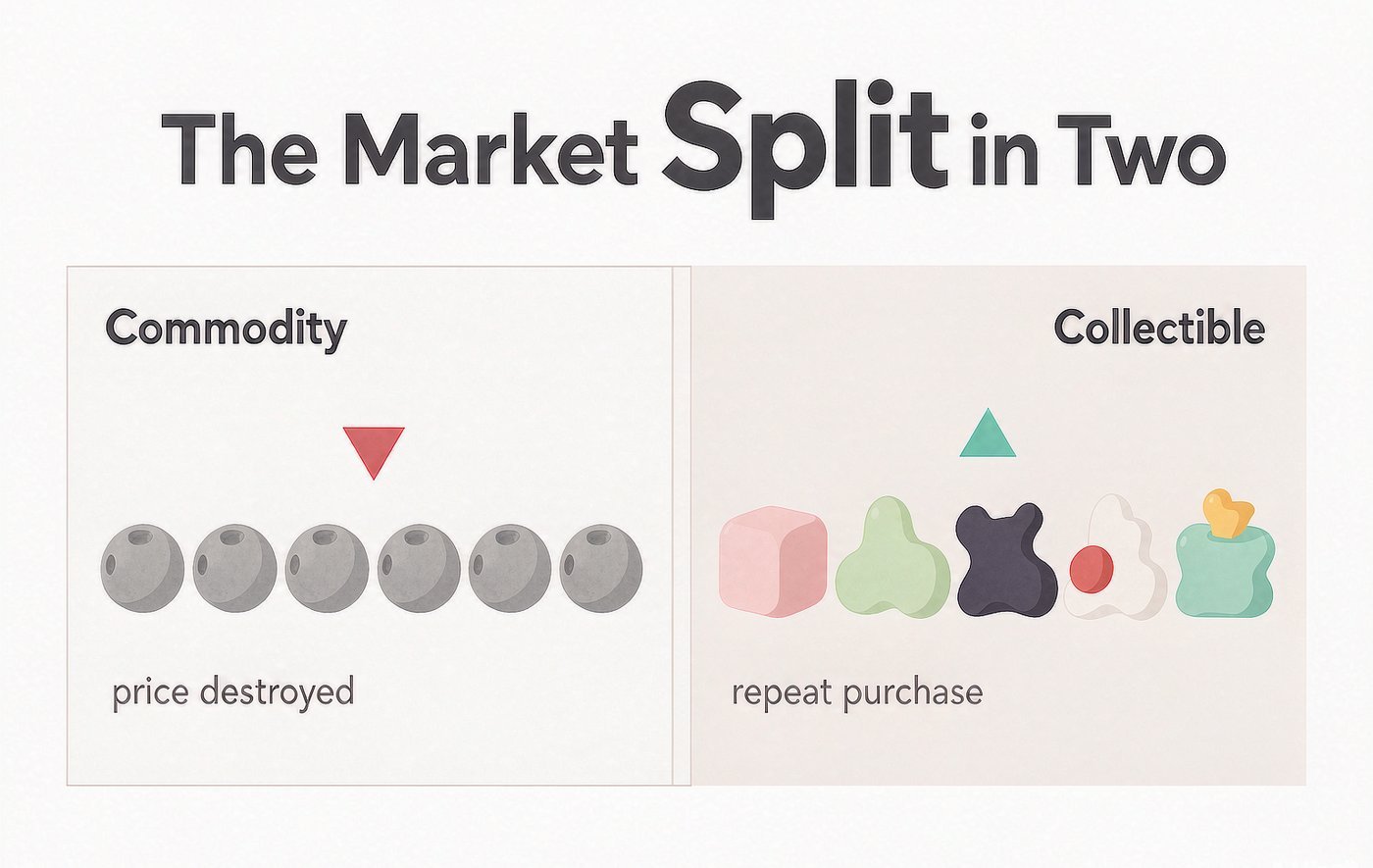
We are a factory, so let us say the unsentimental part. The commodity half is crowded, it is price-destroyed, and it is now being swept off shelves by enforcement — the chemical odour cases, the missing UKCA and CE marks, the benzene recalls you saw through the UK this summer. A factory racing to win that half is racing toward a recall notice. The collectible half is where repeat purchase exists, where a second wave is a plan rather than a hope, and where being able to document your materials is worth money instead of costing it.
That is the side we chose. It is a commercial decision, not a moral one — the margins and the repeat orders are simply there.
What the Buyers Capturing This Growth Ask Us For
Three requests come up again and again, and they tell you exactly where the money is going.
Characters, not shapes
The products breaking out this year all have a cast — named characters, numbered series, recurring drops. A generic ball sells once. A character that returns in wave two sells to the same collector repeatedly. Blind-box structures make a single purchase into a hunting habit, and they lift the basket without lifting our unit cost. When a buyer brings us a character concept rather than a shape description, we know they are playing the new game.
A spec aimed at adults
Adult buyers want a different object from the one a child plays with: a satisfying resistance in the squeeze, a finish that survives sitting on a desk, an unboxing worth filming. Concretely, that changes what we press — firmer slow-rising builds, cleaner surface, packaging designed to be photographed rather than merely transported. Roughly 8 seconds of slow rise on a 160g soft-fill ball is what buyers ask us to hold, and holding it consistently is a curing-process discipline, not a material label.
A product that performs on camera
TikTok Shop has grown to roughly 1% of total US retail sales and about 3% of e-commerce in two years, with toys and collectibles already the third-largest category on the platform. That is a distribution channel with its own spec. Visible slow rise, audible texture, a reveal that holds attention for fifteen seconds. We now prototype with the demo in mind, because a product that films well finds its own buyers.
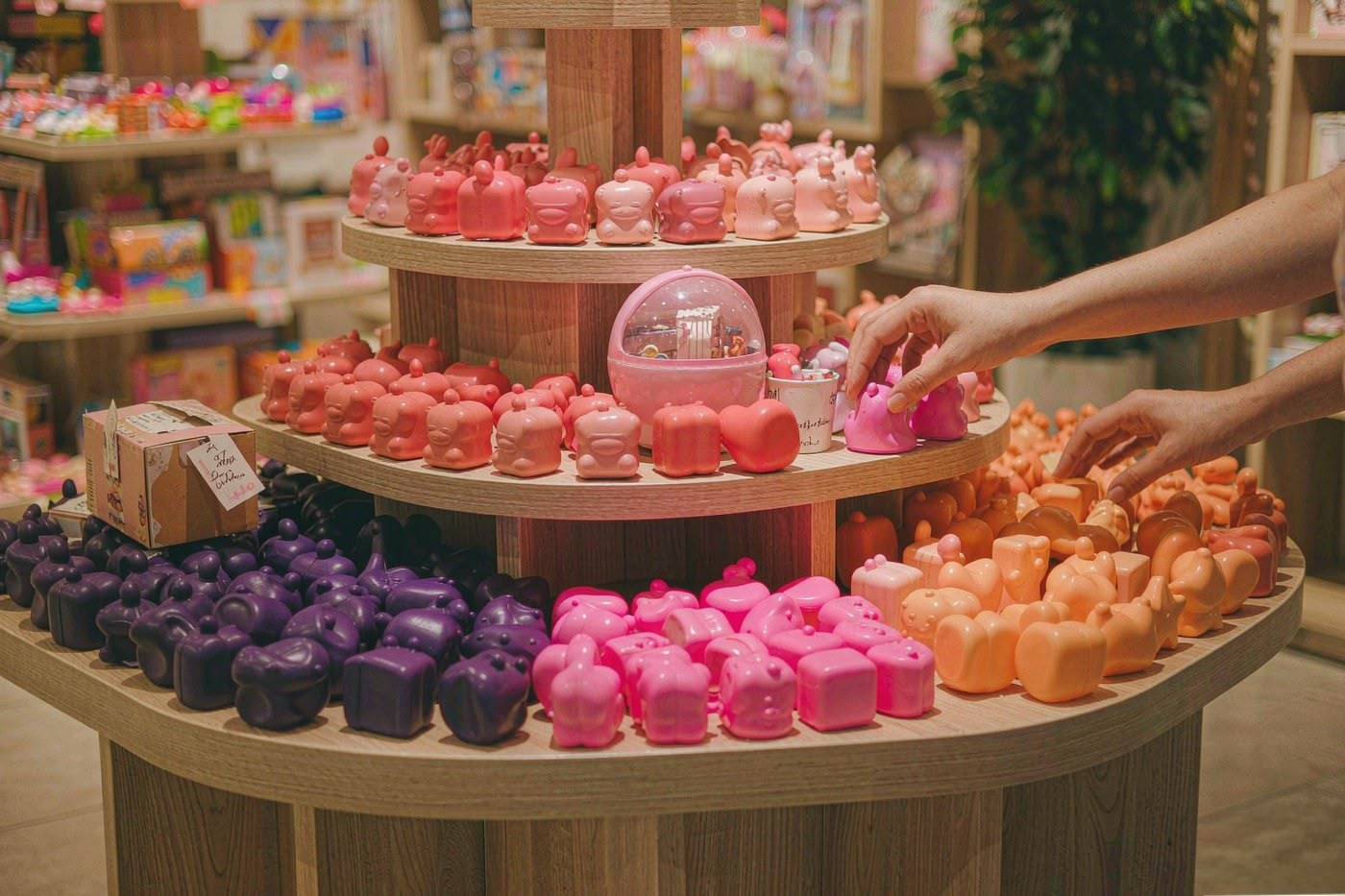
What Being Compliant Actually Buys You
Here is the part that only becomes obvious once a category gets hot. Rising demand does not only raise your sales ceiling — it raises your compliance exposure. Every viral wave pulls in copycats, and every wave of copycats triggers another round of seizures, recalls and border scrutiny.
From inside a factory, compliance is not paperwork. It is three concrete things, and all three have to be true at once.
- Materials we can name. We work with toy-grade TPR skins and declared soft fillings. Named grade, named filling, written material declaration. No undisclosed gel blends chasing a weight target, because that is exactly what turns into an "unknown substance" flag at a border or an airport checkpoint. When a customs officer or a retail buyer asks what is inside, the answer should already exist on paper — before the container moves.
- Batch discipline. Traceability at unit level, not just carton level. It is the difference between a contained recall and writing off a whole container. Buying groups audit this now, and retailers check safety labelling at intake — a non-compliant SKU does not get a second order.
- Honest capability limits. We build simple to medium-complexity 3D shapes. That range covers collectible characters, food formats and animal series — which is precisely where this market is growing. It does not cover ultra-high-detail realistic sculpts, and we say so before taking a deposit rather than after. A factory that claims everything is a factory that will disappoint you on something.
You can see the range we actually produce in our wholesale squishy toys catalog, and how a project gets scoped on the OEM/ODM squishy manufacturing service page. Our certifications and the documents we can produce are listed on the toy safety certifications page. For how a brand collaboration runs end to end, our case study on turning a healing IP into a squishy line walks through it. And if you are rebuilding your supplier shortlist, the custom squishy toys B2B sourcing guide covers the full process.
Why We Think It Holds
We get asked the same question by buyers every time a category runs hot: when does it come back down? Here is our read, with the obvious caveat that we are a factory and not a forecasting house.
The demand driver is emotion, not novelty. When consumers cut back on larger discretionary purchases, a four-dollar object that delivers a real moment of relief keeps earning its place. That is why this category is trading up instead of discounting out, and why more than half the growth is coming from women and a third from adults — these are considered repeat purchases, not impulse grabs.
Second, the content engine regenerates itself. ASMR, unboxing, drop hunting — every new character, seasonal variant and sealed series produces fresh footage. Novelty categories die when the content stops. This one manufactures its own content on a schedule.
Third, and this is the one that matters commercially: compliance is squeezing the commodity end out while margin is pulling the collectible end up. Channel signals point the same way — NeeDoh's distributor network reported retailer inquiries up roughly twenty-fold year on year, and even discount retailers saw quarterly net sales rise more than 30% on the back of the category. That is a market moving in one direction: toward better product, better packaging, better documentation. Not toward cheaper.
If You Are Reordering This Season
Three questions we would ask in your position, in this order.
- Can your supplier's paperwork survive a spot check? Material declaration, unit-level batch traceability, labelling files with importer fields filled in. If any of it is verbal, it is not documentation.
- Does your range have a second wave in it? If every SKU is a one-off shape with no series logic, you are selling to first-time buyers only. The repeat revenue here comes from collections, and series decisions get locked at design stage — retrofitting them later costs more than doing them once.
- Was your spec built for the buyer who is actually growing? Adults, display use, filmed unboxing. If the product was specified purely for children's floor play, the fastest-growing third of this market cannot use it the way it wants to.
We are happy to look at a spec and tell you straight whether it can be built compliant at your target price — and what to change if it cannot. That conversation is free, and it is usually shorter than buyers expect. Talk to the factory.
Sources
- Circana — US Toy Industry Sales Accelerate in 2026 (15 Jun 2026): +13% dollars, +5% units, +7% ASP through April; explorative and other toys +36%; squishy toys triple-digit growth in dollars and units; consumers 18+ = 35% of industry growth; TikTok Shop about 1% of total US retail sales
- The Business Research Company — Stress Toy Global Market Report 2026 (USD 5.88B 2025 to 7.95B 2030)
- Global Toy News — squishy category growth and licensing expansion reporting (Aug 2026)
- Kids Village Asia (NeeDoh distributor, SG/MY/BN) — retailer inquiry volume up about 20x year on year, via CNBC reporting
- Gloucestershire County Council / Glasgow City Council / Trading Standards Wales — 2026 unsafe and counterfeit squishy seizures