The Squishy Toy Risk Map: 3 Liabilities Buyers Miss in 2026
- Share
- publisher
- Chloe
- Issue Time
- Oct 12,2026
Summary
Viral demand is pulling squishy toys into three quiet liability zones: counterfeit stock with hazardous chemistry, airport gel rules that confiscate products mid-journey, and retail shrink that kills margin. A factory-side map of where the risks sit — and the sourcing checks that keep them off your invoice.
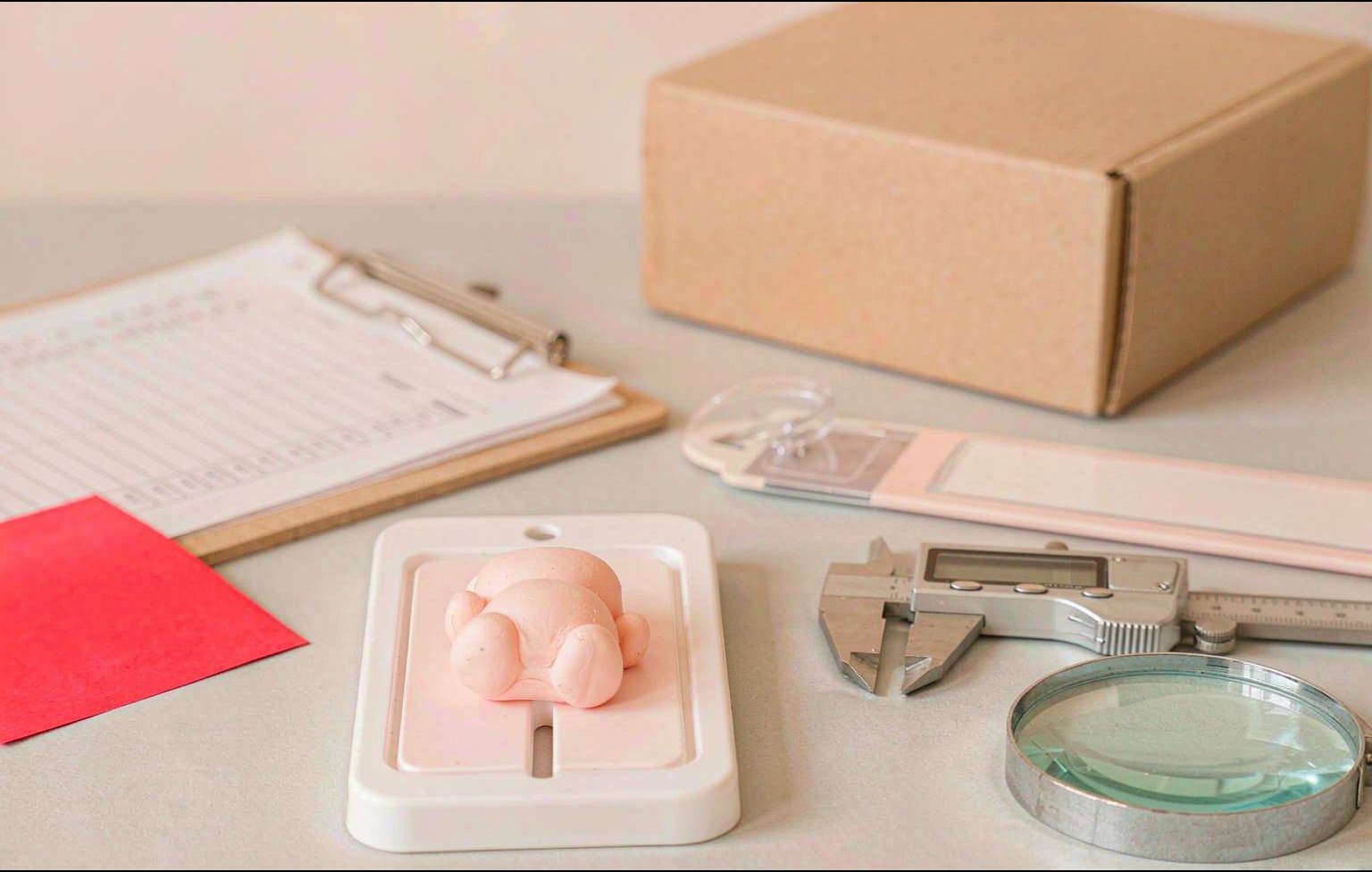
Quick answer: The biggest squishy toy risks in 2026 are not squeezing too hard or a toy that bounces back too slowly. They sit in three places most buyers never budget for: counterfeit stock with hazardous chemistry, airport gel rules that can confiscate your product mid-journey, and retail shrink that quietly eats margin on a category designed to be picked up and squeezed. This article maps all three — and the sourcing checks that keep them off your invoice.
Most sourcing guides cover MOQ, materials and lead times. Few cover what actually went wrong this year: nearly 2,000 unsafe squishies seized in one English county, viral toys cut open at airport security, and retailers limiting how many squishies each customer can buy. If you import, distribute or retail squishies, these three risk layers now matter as much as your landed cost. If you are building a sourcing shortlist, start with our custom squishy toys B2B sourcing guide, then come back to this risk map.
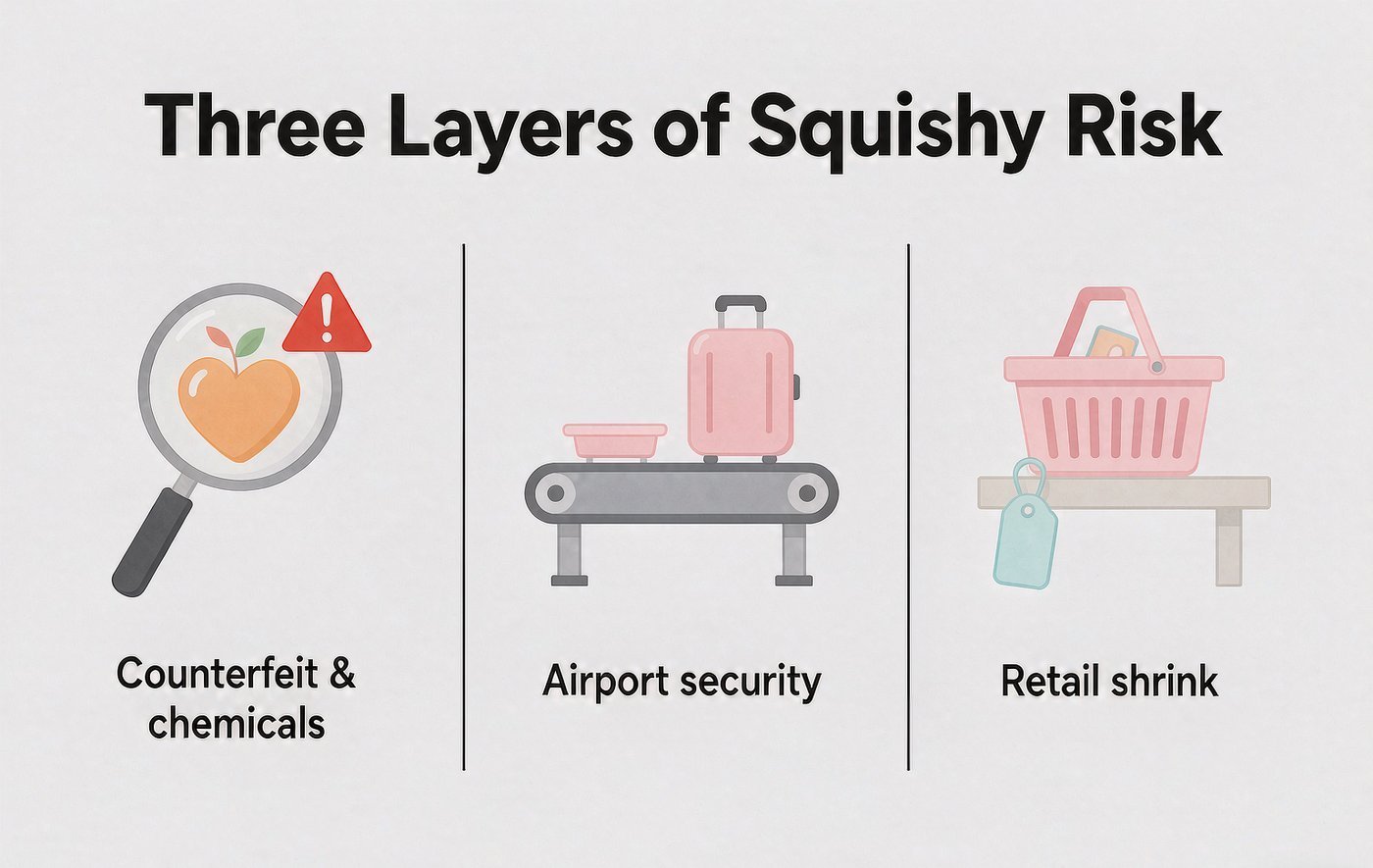
Risk Layer 1: Counterfeit Stock and Hazardous Chemistry
The fastest-growing squishy risk is not a factory defect — it is a supply chain you did not verify. UK Trading Standards teams spent the summer of 2026 pulling non-compliant squishy toys off shelves in batch after batch:
| Authority | Action | Units | Key finding |
|---|---|---|---|
| Gloucestershire Trading Standards, UK (Jun 2026) | Seizure | 1,968 | Strong chemical smell; missing UKCA/CE marks, manufacturer details and warnings |
| Glasgow City Council, UK (2026) | Warehouse seizure | ~5,900 | Suspected counterfeit dumpling squishies; lab tests on similar items found phthalates, solvents, formaldehyde and benzene |
| North Northamptonshire, UK (since Jul 2026) | Seizure | 470 | Counterfeit squeeze toys; benzene-related product recalls cited |
Glasgow City Council, working from Office for Product Safety & Standards estimates, valued the risk avoided at roughly £419,000 across 5,900 toys — about £71 of exposure per toy. That is the real price of a cheap squishy: not the invoice, but the recall, the border hold and the brand damage that follows.
For a wholesale buyer, the tells are consistent across every enforcement notice: a strong chemical odour, missing UKCA/CE markings, no manufacturer or importer details, no batch numbers, and prices that look too good. Several recalls traced back to stock bought from informal channels — car boot sales and unverified online listings — not from audited factories.
The fix is boring and effective. Buy from a factory that can name its materials, not just its shapes. TPR is the workhorse skin material here, and it should be described honestly as toy-grade TPR — no mysterious gels, no unnamed fillers, and a supplier who answers "what is inside?" in writing. Ask for the material declaration, the test report references, and the labeling files before you wire a deposit. And when you audit durability, do not stop at chemistry: check how the toy ages too, including why squishies get sticky and how to fix it, because a toy that degrades on the shelf creates its own returns problem.
Risk Layer 2: Airport Security — Your Product Can Be Treated as a Liquid
This one surprises even experienced buyers: gel-filled squishy toys are being confiscated at airport security. In 2026, parents reported TSA and UK officers pulling NeeDoh-style toys and dumpling squishies from carry-on bags — because anything that pours, spreads or squeezes like a gel falls under the 100ml liquids rule. London Luton Airport explicitly bans them from cabin luggage, and officers have been documented swabbing or even cutting toys open to identify the contents.
Now flip the perspective. If you sell into travel retail — airports, train stations, tourist shops — your customer is carrying your product straight into a security checkpoint. A toy that gets tossed in a bin at the checkpoint becomes a social media complaint with your brand on it.
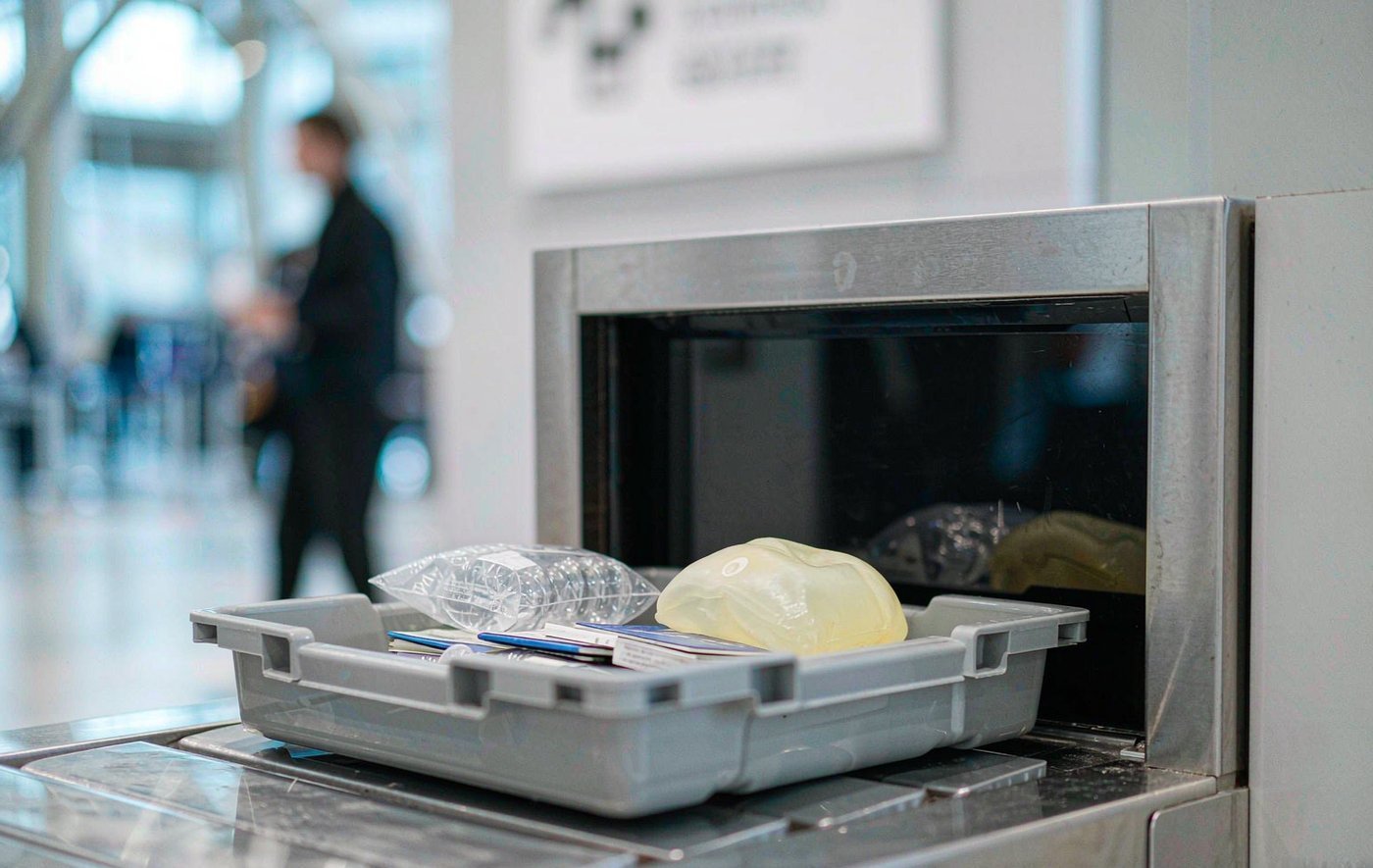
Three design and sourcing decisions de-risk this layer:
- Composition matters more than size. Slow-rising foam and soft-filling builds travel far more easily than dense gel cores. If travel retail is your channel, say so in your spec — it changes what should go inside the skin.
- Label the contents. Security teams treat "unknown substance" as risk. Clear, printed material information turns a suspicious blob into an explainable product.
- Plan the logistics leg separately from the consumer leg. Freight rules and passenger rules are different worlds. Our breakdown of sea vs air shipping for squishy toys covers the factory-side movement; the traveler-side rules above are a retail-education issue your packaging and listings should address.
Risk Layer 3: Retail Shrink — the Category That Invites Handling Invites Loss
Squishies sell through touch. Nobody walks into a store planning to buy one; nearly everybody squeezes one within arm's reach — and a squeezed squishy is halfway sold. That same behavior makes the category a shrink magnet.
Retail theft is trending the wrong way across the board: the National Retail Federation's Impact of Retail Theft & Violence 2025 report recorded a 19% combined increase in shoplifting and merchandise theft incidents versus 2024. Small, colorful, pocket-sized, easy to conceal — squishies sit squarely in the high-theft profile. And the standard industry response, locking merchandise in glass cases, is poison for a tactile impulse category: a squishy behind glass is just a foam shape.
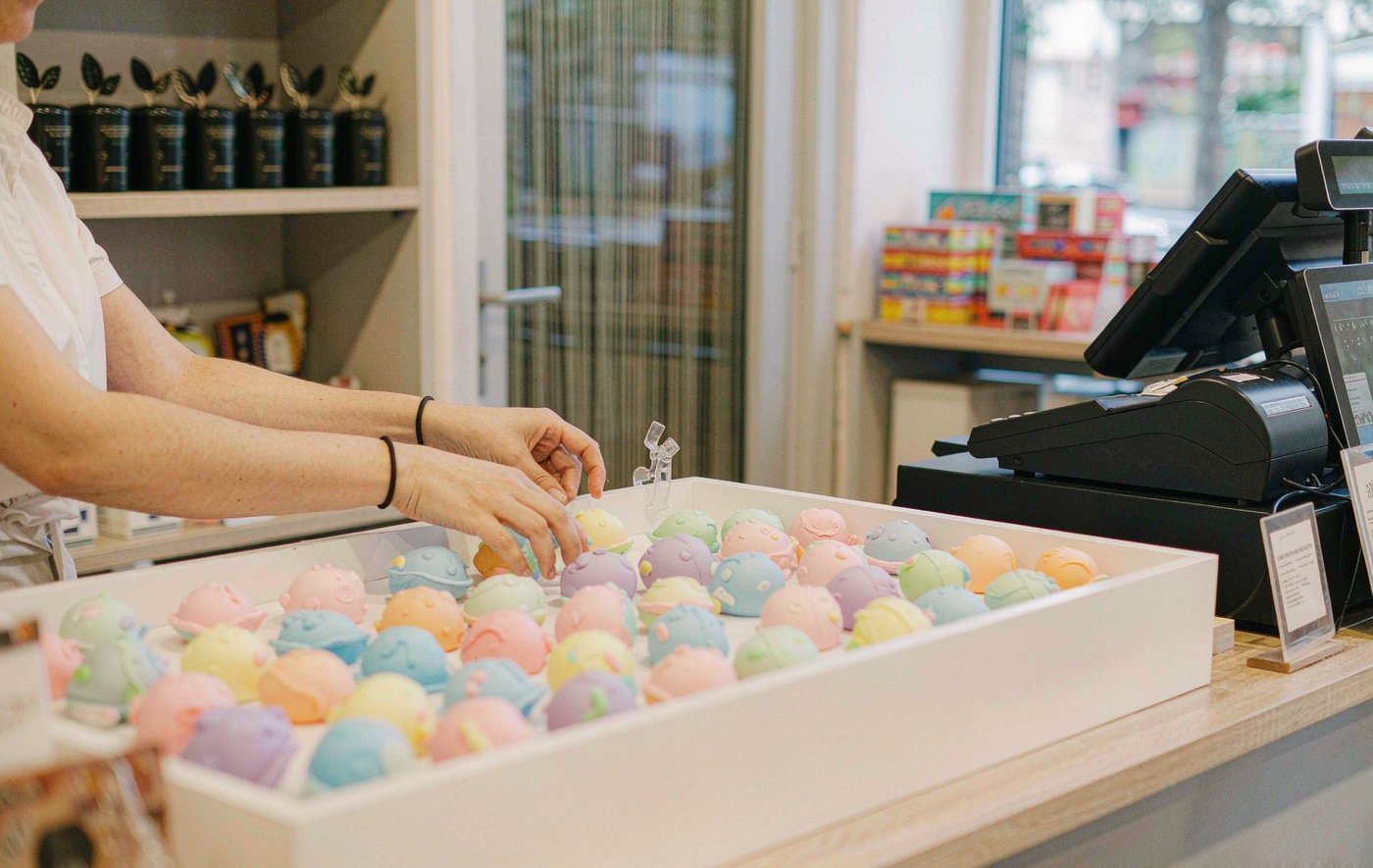
US retailers rode this exact wave in 2026 — viral demand, 4 a.m. restock hunts, purchase limits of two to four per customer — and the ones who coped best used supervision instead of enclosure: checkout-adjacent displays, open demo pieces with sealed backup stock, single-price zones, and staff positioned near the squeeze zone. For distributors and brand buyers, the takeaway is a merchandising requirement, not a store manager's problem: order display-ready formats, low price points, and plan the counter display before the container ships.
What a Factory Can Actually Control
A factory cannot fix retail theft or airport rules. What it can do is remove the first layer entirely and soften the other two:
- Verifiable materials. Written material declarations, test-report references, and honest naming — toy-grade TPR skins with declared soft fillings, nothing unnamed.
- Compliant labeling files. CE/UKCA-ready artwork, batch numbers, importer fields, age guidance and warnings, printed in the destination language, without spelling errors.
- Channel-aware construction. Filling and skin specs matched to where the toy will be sold — including gel-free builds for travel retail.
- Retail-ready packaging. Hang-tags, blind-box formats, counter displays — engineered so the toy survives the squeeze zone and the stockroom.
You can see how we scope this on our OEM/ODM squishy manufacturing service page, and browse current molds across our wholesale squishy toys catalog. Our certifications are listed on the toy safety certifications page.
Buyer Checklist: 6 Checks Before You Wire the Deposit
- Ask what is inside, in writing. Skin material, filling, and any additives — named, not implied. No answer is an answer.
- Request labeling files before sampling. If a factory cannot produce CE/UKCA-ready artwork with importer fields, enforcement will find that gap before you do.
- Smell test the sample. A strong chemical odour is the single most repeated red flag in every 2026 seizure notice.
- Match construction to channel. Travel retail = no gel cores. Open-shelf retail = skin that survives constant handling (and does not turn sticky in month two).
- Confirm the sample path. A serious factory offers a 3D-printed prototype first, with the buyer covering sample cost and freight — so you verify the shape before committing to tooling.
- Plan the counter, not just the carton. Order quantities that fit a checkout cluster (roughly 120–200 pieces across 8–12 designs is the working ratio for a single display), and get display-ready packaging quoted up front.
| Step | What happens | Who pays |
|---|---|---|
| Prototype sample | 3D-printed prototype to verify shape and size before tooling | Buyer covers sample cost + freight |
| Labeling & compliance files | CE/UKCA-ready artwork, material declaration, batch/importer fields | Factory provides files; confirm scope per market |
| Production MOQ & lead time | Per model and customization level — confirm per project | Quoted per order |
Frequently Asked Questions
Are squishy toys safe to buy wholesale in 2026?
The category is safe when the supply chain is verified. The toys seized in the UK this year shared the same profile: strong chemical smell, missing UKCA/CE markings, no manufacturer details, and informal sourcing channels. Buy from audited factories that declare materials in writing.
Can you take squishy toys on a plane?
It depends on what is inside. Gel-filled squishies over 100ml fall under cabin liquids rules and have been confiscated by TSA and UK security; some airports, including London Luton, explicitly ban them from carry-on. Foam and soft-filling builds are far less exposed.
Why are squishies confiscated at airport security?
Security treats anything that pours, spreads or squeezes like a gel as a liquid. Gel-filled toys appear as dense unknown blobs on scanners, so officers swab, inspect or confiscate them — especially when contents are unlabeled.
How do retailers stop squishy theft without locked cases?
Supervision beats enclosure for tactile categories: checkout-adjacent displays, one open demo piece per design family with sealed backup stock, single-price signage, and staff near the display. Locking squishies behind glass kills the squeeze-to-sell conversion.
What compliance documents should a squishy supplier provide?
At minimum: a written material declaration, references to toy-safety test reports, and labeling files with CE/UKCA marks, manufacturer details, batch numbers, age guidance and warnings in the destination language.
Sources
- The Business Research Company — Stress Toy Global Market Report 2026 (USD 5.88B 2025 → 6.26B 2026 → 7.95B 2030)
- Gloucestershire County Council — "Nearly 2,000 unsafe 'squishy' toys seized by Trading Standards" (24 Jun 2026)
- BBC News / Glasgow City Council — "Warning after 5,900 counterfeit squishy toys seized" (2026)
- North Northamptonshire Council — "Hundreds of non-compliant toys seized" (2026)
- National Retail Federation — The Impact of Retail Theft & Violence 2025
- Yahoo Travel / Euro Weekly News — TSA & UK airport confiscation reports on gel-filled squishies (2026)
- The Charlotte Ledger — US retail squishy craze reporting (Aug 2026)
Sourcing squishies for retail, travel or gifting channels? Send us your target channel, market and quantity — we will confirm the right construction and labeling for it, starting with a 3D-printed prototype. Request a quote from PlayGoro.